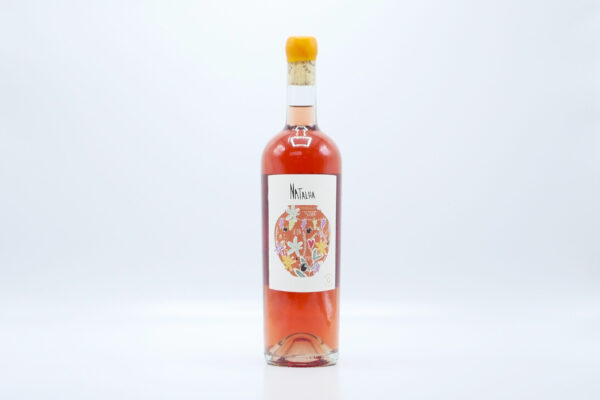
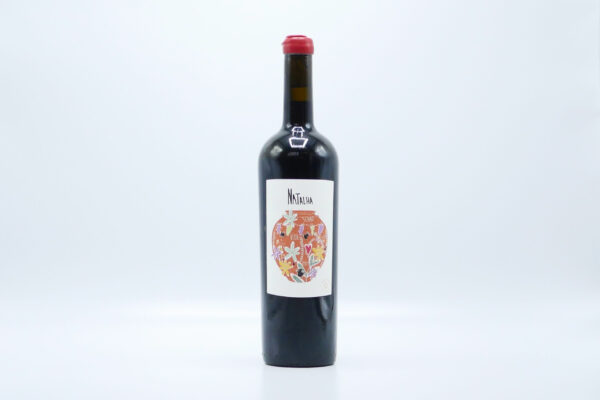
The Gerações da Talha winery is located in Vila de Frades, in the municipality of Vidigueira, and dates back to the mid-18th century. It is a place of traditions and knowledge of generations, which has been producing and perfecting magnificent Talha Wine. The wines give us a glimpse into the history of wine, and what they used to taste like hundreds of years ago.

Teresa and João
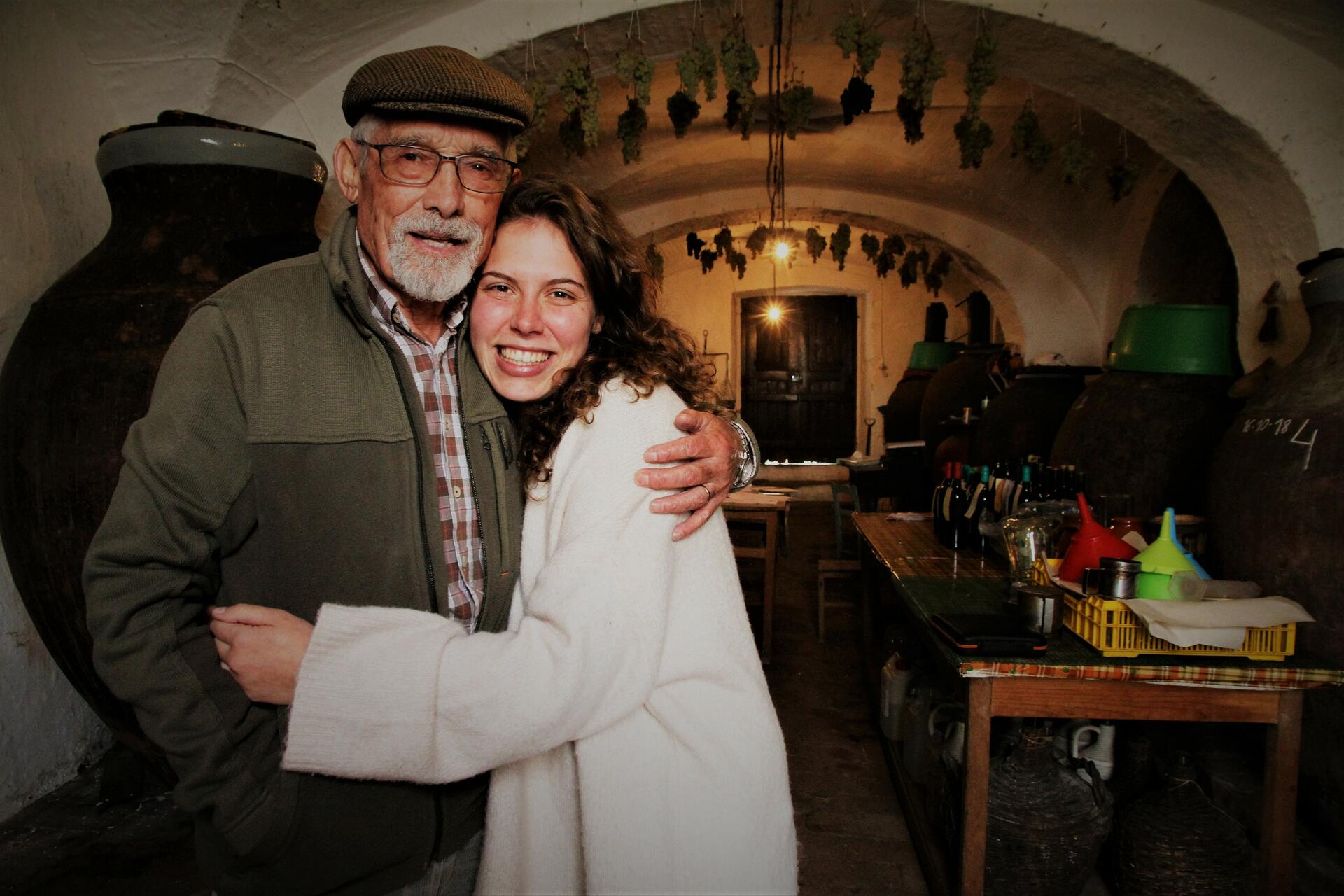
Gerações is a family project, passed down from generation to generation and as of recently Teresa and her husband João have taken over the family business from her grandpa. Also known as ‘The professor of Talha’s’. Teresa and João bring a new and more modern touch to the wines made with these ancient techniques. The wines are made to be a bit more fresh but are full of character. Speaking volumes for the terroir, region and techniques the wines come from. It really shines throughout the wines. When trying to explain to someone what old school Portuguese wine is all about, this is it!
The region of Alentejo is known for its warm climate, stretched out hills, cork trees, olive oil production and of course wine. The soil differs from region to region within Alentejo. But in general there is a lot of clay. Explaining why the use of Talha’s, clay pots also known as amphora’s, used to be common. The technique was brought over by the Romans after they learned it from Georgians. At Gerações da Talha they have been perfecting this technique for several generations now.
Historical Clay Pots
The talha’s that sit in the winery are estimated to be over 300 years old. When the winery ended up in Teresa’s family in the early 1800’s the talha’s were already there. The only filtration is done through the naturally occurring ‘mother’, basically the solid parts after the fermentation finishes that sink to the bottom. The wines are taken out of the amphora’s using a tap in the bottom, when opened the wine passes through the ‘mother’ and thus naturally filtering the wine a little bit.
Among the vines
The vineyards are organic and the wines are naturally fermented and aged on the lees in the amphora clay pots until the day of St. Martin. In a tradition somewhat similar to the beaujoulais nouveau, Portugal’s Talha wines are kept in the clay pots until the day of St. Martin. That is the day that the wines made from the same year’s harvest will see the light of day for the first time. Enjoyed and drank straight from the ancient pots in a celebration of life and the new vintage of wines.
Has all of this made you curious to try a bottle?
Order yours now!